
Metabolism Vs Critical Illness
The "Normal" Trap
The "Normal" Trap: Why Your Basic Blood Work Might Be Missing the Biggest Threats to Your Future
Walking out of your annual physical with a clean bill of health is a tremendous relief. The doctor reviews your standard CBC and metabolic panel, nods, and says, "Everything looks normal. See you next year."
You feel reassured. You’re doing okay.
But here is the uncomfortable question that keeps functional medicine practitioners up at night: What if "normal" isn't the same as "healthy"? What if the thresholds for those tests are set too low, waiting until disease is fully established before raising a red flag?
The terrifying reality of modern medicine is that the most devastating critical illnesses do not appear overnight. They simmer beneath the surface for decades, slowly eroding your cellular health long before you feel a single symptom. Relying solely on basic blood work to find these early warning signs is like trying to predict a house fire by waiting until you see smoke pouring out of the windows. By then, the damage is already done.
Looking Beyond the Snapshot
We have been conditioned to view health as binary: you are either sick, or you are well. Standard diagnostics reinforce this view. A basic blood panel is a snapshot in time—a look at what is floating around in your circulation right this minute. It is incredibly valuable for acute situations, but it has severe limitations for long-term prediction.
Often, when numbers are "slightly elevated" or just barely inside the "normal" range, they are dismissed. Yet, biologically, a massive shift has already occurred. Your body is struggling to maintain homeostasis, compensating furiously behind the scenes.
This is where the gap lies. This is where critical illness takes root undetected.
To truly prevent disease, we need more than a snapshot; we need the architectural blueprint of what’s happening in your cells. This is where we introduce the game-changer: **Epigenetics.**
While your genetics are the hand of cards you were dealt at birth, *epigenetics* is how you play that hand. Epigenetic testing looks at how your behaviors and environment—your diet, stress levels, sleep, and toxin exposure—are actively turning your genes "on" or "off."
Think of it this way: Basic blood work might show you have high blood sugar (the symptom). Epigenetics can reveal the specific cellular pathways that are broken and *causing* that blood sugar to rise years before it registers on a standard lab test.
By combining advanced blood markers with epigenetic data, we get a comprehensive, 3D picture of your biological reality. We move from reactive medicine (treating symptoms) to proactive health (identifying root causes).
5 Threats and the Metabolic Solution
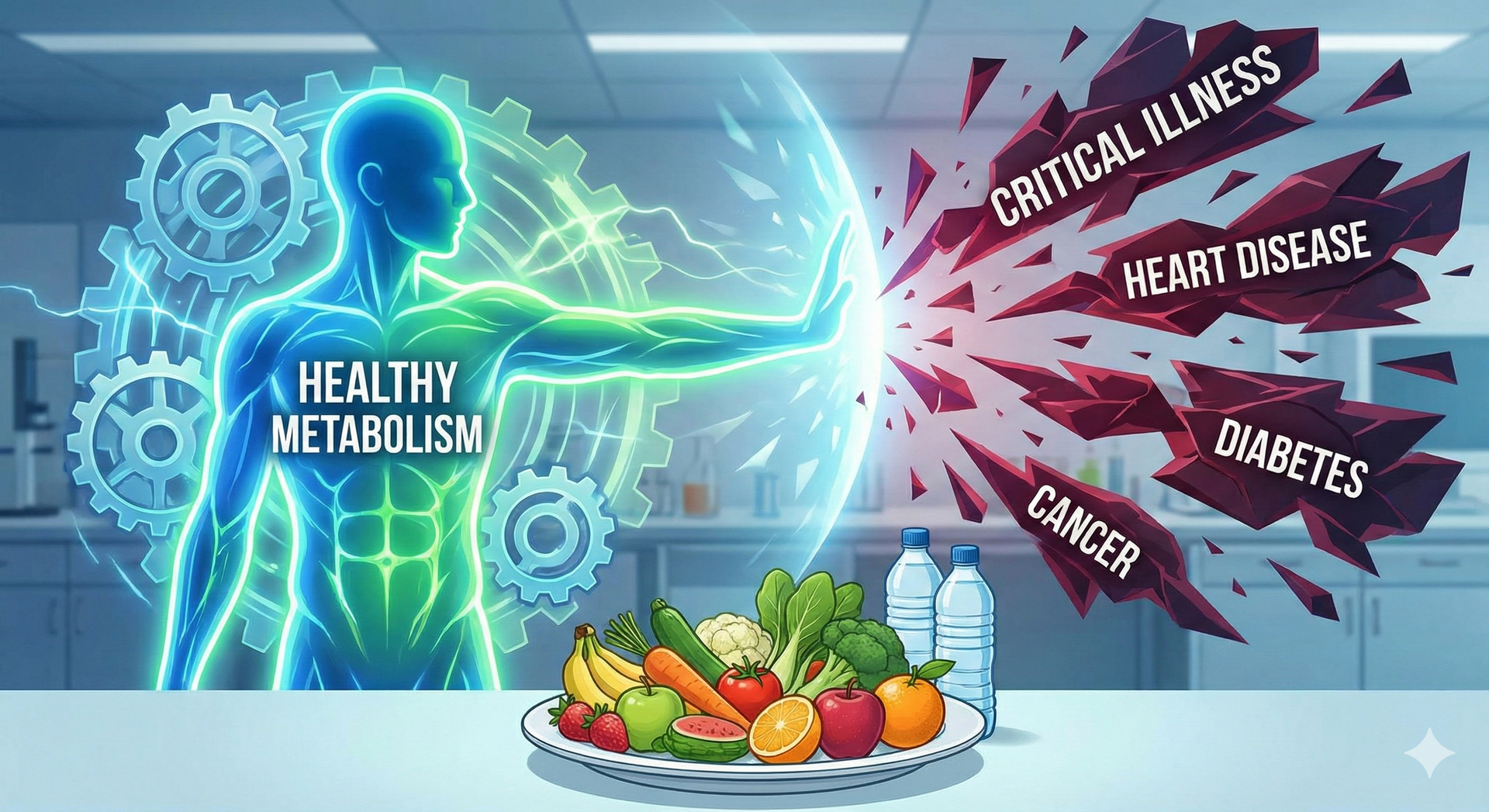
The common denominator for the vast majority of chronic, critical illnesses is poor **metabolic health**. When your body becomes inefficient at processing energy (primarily glucose and fats), cellular chaos ensues.
Here are the 5 most common critical illnesses that threaten our quality of life, how they are rooted in metabolic dysfunction, and why advanced early detection is your only true defense.
**1. Type 2 Diabetes and Insulin Resistance**
This is the obvious one, but it starts decades before diagnosis. Long before your blood sugar registers as "diabetic" on a basic panel, your body is pumping out massive amounts of insulin just to keep things stable. Standard tests rarely check fasting insulin. Advanced testing spots this struggle early, allowing you to reverse course through diet and lifestyle before the pancreas burns out.
**2. Cardiovascular Disease (Heart Attacks and Strokes)**
We used to think this was just a "plumbing problem" of cholesterol clogging pipes. We now know it’s largely an inflammation issue driven by metabolic dysfunction. High insulin levels damage blood vessel walls, creating the site for plaque buildup. Epigenetics can reveal your specific susceptibility to vascular inflammation, while advanced lipid panels look deeper than just "Total Cholesterol."
**3. Alzheimer’s Disease and Neurodegeneration**
Alzheimer’s is now frequently referred to by researchers as "Type 3 Diabetes." The brain is highly energy-demanding. When your body becomes insulin resistant, your brain cells starve, leading to inflammation, plaque tangles, and cognitive decline. Maintaining metabolic flexibility is arguably the single most important thing you can do to protect your aging brain.
**4. Metabolically Driven Cancers**
While cancer is complex, metabolic dysfunction creates a fertile environment for it. Cancer cells thrive on glucose and inflammation. High circulating insulin (a growth hormone) can act like fuel for aberrant cells. Optimizing metabolic health through nutrition and targeted supplementation changes the internal terrain of your body, making it less hospitable to cancer growth.
**5. Non-Alcoholic Fatty Liver Disease (NAFLD)**
Your liver is your metabolic clearinghouse. When overloaded with processed carbohydrates and fructose, the liver begins storing fat itself. This condition, now epidemic even in children, is a direct precursor to severe liver disease and is intimately tied to systemic insulin resistance.
**The Path Forward**
The tragedy of these illnesses is not just their severity, but their preventability. They can almost always be seen years, if not decades, before they change your quality of life forever—*if* you are looking with the right tools.
Don't wait for symptoms. Don't settle for "normal" on a basic lab slip. The best way to prevent life-altering illness is to demand the advance notification that modern science now provides. It’s time to look at your blueprint, optimize your metabolism, and take control of your future health.